Global warming is having devasting effects at both ends of the temperature scale.
The 56,000 residents of the world’s coldest country, Greenland, are warming up, but so are the 24 million in the hottest, Burkina Faso.
It’s not good news for either nation – or the near 200 in-between.
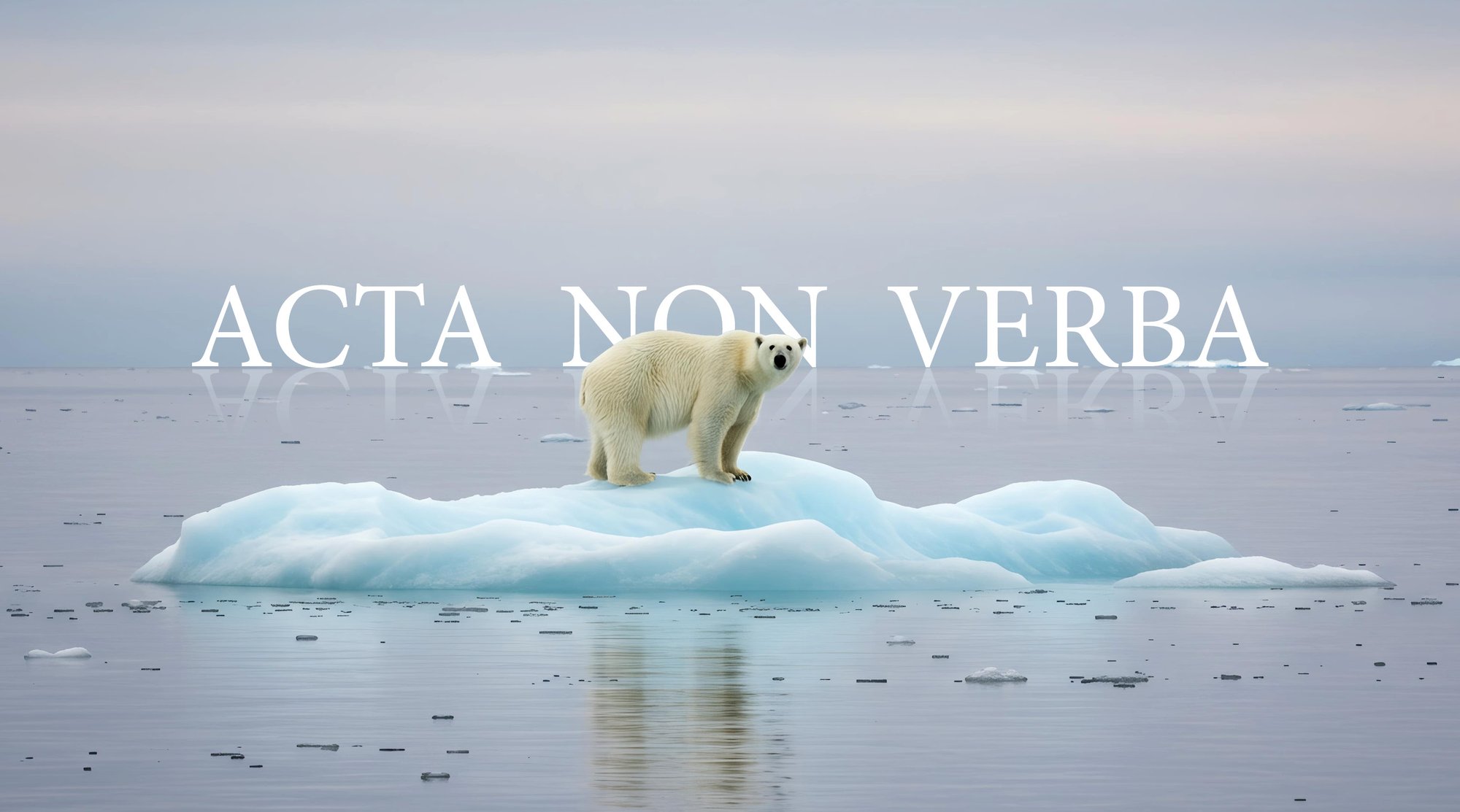
“Action not words” is the message as 2025 ends as the joint warmest on record. Sadly, it is one that has not been heeded, perhaps since the industrial revolution surged in the mid-1800s, and at the very least since the measuring of CO2 levels began in 1958 when a consensus was formed that human activity was behind the increase.
Today more is written about the climate than ever before, more words said at more conferences, where more promises are made, but the trend of climbing temperatures is not being reversed.
In fact, it’s the opposite as 2025 ties with 2023 as the warmest so far.
Predictably, climate change is directly linked to economic inequality, with those who have done the least to cause it also most vulnerable to its effects.
In Burkina Faso, temperatures are increasing (average 28-30C/82-86F) with resulting droughts, impacts on agriculture and health, and water shortages.
Eighty per cent of the West African country’s population lives on agriculture and livestock, with climate change causing even more hunger through reduced growth in maize fields and families struggling to feed their children.
Extreme weather has become more regular and floods have destroyed fields, houses, barns and livestock.
Developing and poorer countries are also far less ready for the threats posed by a changing climate, with an estimated 85 per cent of people lacking protection, compared with 25 per cent in high-income regions.
Meanwhile, in the world’s coldest country, Greenland (average -18.47C/-1.26F), warming is happening at around double the global rate, with effects including rapid ice melt and record-breaking heatwaves, and the average temperature the warmest in at least a millennium.
According to a University of Barcelona study, on average between 1980 and 2010 meltwater loss figures reached the equivalent in volume of around 48 million Olympic-size swimming pools per year, and the Arctic is warming at four times the global average rate due to increased greenhouse gases.
Elsewhere, temperatures in northern Canada, the Arctic and East Antarctica were reported as the most above average for November, Poland recorded its warmest December in 74 years and the UK its warmest ever summer, while tropical cyclones battered South and South-East Asia, leading to devastating flooding that claimed more than 1,600 lives.
Tackling this escalating crisis will be expensive, with McKinsey Global Institute Research estimating that $1.2 trillion (more than six times what is currently spent) would need to be spent annually to adapt to 2C degrees of warming since pre-industrial times.
However, it will be more expensive if we don’t act – and fast – with global climate predictions showing temperatures are expected to continue on or at near record levels for the next five years.
Yet the recent COP30 In Brazil resolved very little - the US stayed away, China, with the most to gain financially from inaction, remained quiet and there was little in the way of progress within the EU regarding fossil fuels.
Not surprisingly, it concluded with little more than an agreement that thousands of people would be flown hundreds of thousands of miles in total to attend more such talks in the future.
A future that becomes shorter with every such delay.