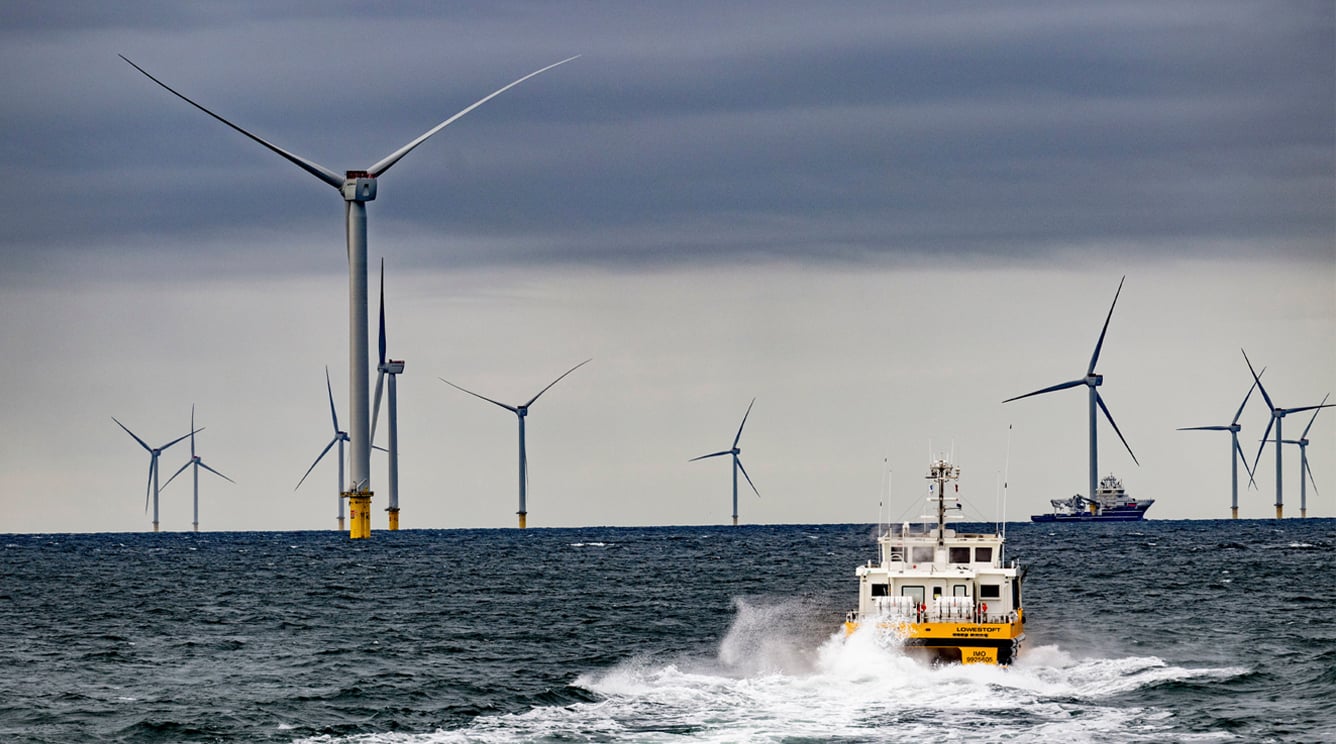
The UK is set to head a huge international push to expand wind capacity.
Plans to build a shared offshore power network in the North Sea have been agreed by ten countries.
If they come to fruition, interconnected windfarms and subsea cables could deliver up to 100 GW of offshore wind – enough to power 143 million households – by the 2030s.
Projects at Hornsea, Dogger Bank and the Humber Gateway, as well as numerous onshore developments, have put Yorkshire at the forefront of wind power.
With numerous other schemes – including an extension to the massive Dogger Bank project, which is set to be the world’s largest offshore farm with the capability of powering around six million homes annually – under discussion, are these finally the winds of change that could deliver lower energy bills and a genuine environmentally friendly alternative to fossil fuels?
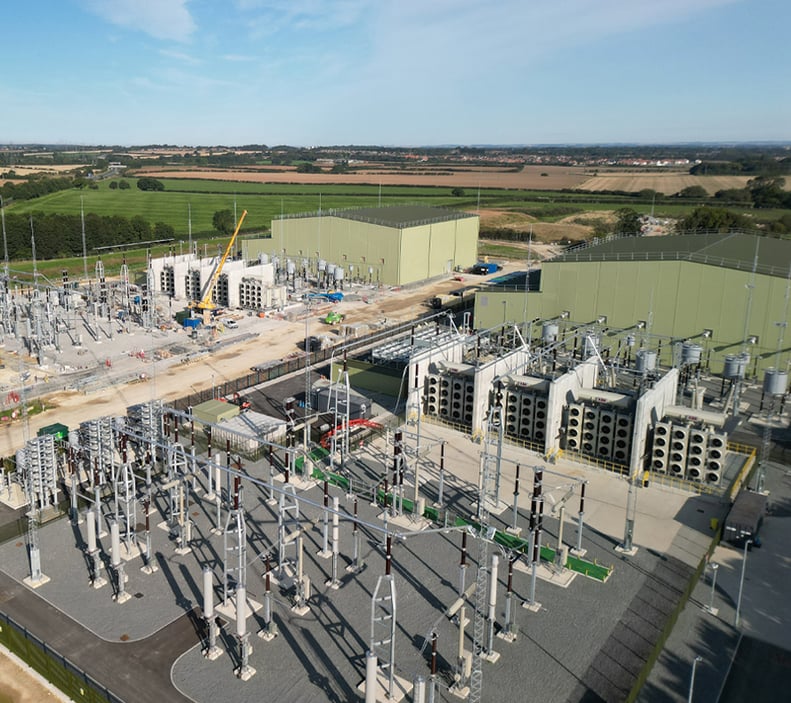
The UK, which currently ranks sixth globally for its wind energy capacity, and nine other European states (Belgium, Denmark, France, Germany, Iceland, Ireland, Luxembourg, the Netherlands, and Norway) have signed the agreement to speed up the deployment of offshore farms, as well as develop a power grid in the North Sea, thereby transforming the ageing oil reserve into the world’s largest “clean energy reservoir”.
The project has already attracted interest from 100 companies, which have agreed to reduce costs and create up to 91,000 jobs.
Energy minister Ed Miliband, who signed the declaration, said the government was getting “off the fossil fuel rollercoaster”, and added: “We see it [as] absolutely in our national interest to not only pursue clean energy domestically at home, but to work with our European allies and friends on delivering it across the North Sea.
“This clean energy security pact – the Hamburg Declaration – is an incredible statement, I think, of our shared commitment to make the North Sea a clean energy powerhouse.
“Clean, homegrown power is the right choice to bring down bills for good, and this will create thousands of jobs throughout Britain.”
Locally, the six turbine Penny Hill Wind Farm has been generating renewable energy powering 154,388 homes since 2013, with the site being sold to ERG in January and approval granted to operate until 2043.
Plans have also been submitted for the 1,370-hectare Whitestone Solar Farm on land near Conisbrough, Brinsworth and Harthill. The locations were chosen to allow connection to the National Grid through Brinsworth, with storage batteries capable of holding 750MW – enough to power 250,000 homes.
Not everyone is on board though, with some groups objecting on grounds of land loss, and United States President Donald Trump criticising the UK for developing its renewable energy sector, particularly wind power, rather than expanding North Sea oil and gas production.
Speaking at the World Economic Forum in Davos in January, he said: “There are windmills all over Europe. There are windmills all over the place, and they are losers. One thing I’ve noticed is that the more windmills a country has, the more money that country loses, and the worst that country is doing.”