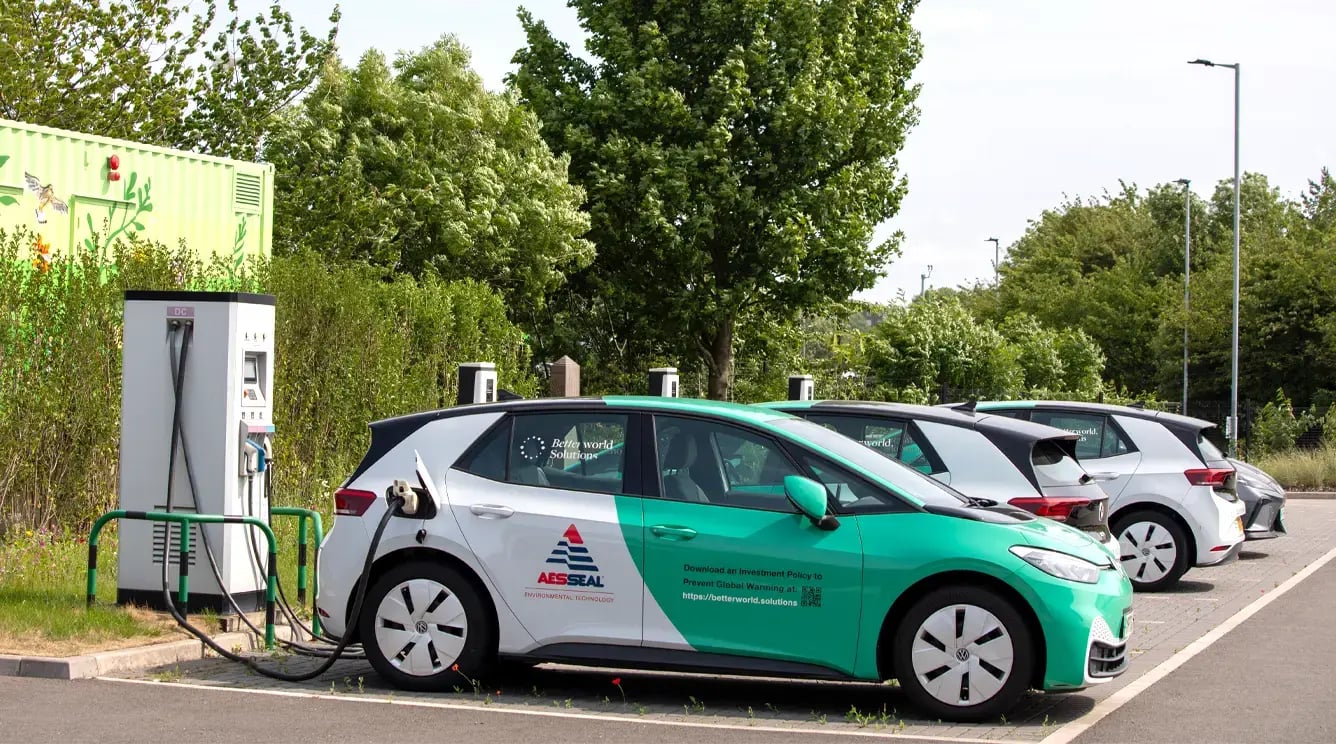
Sales of battery electric vehicles have hit record levels across Europe - partly due to the Iran war.
Almost 225,000 new electric vehicles (EVs) were registered in March, with 500,000 across the first three months of the year – a 33.5 per cent increase on the same period last year.
Interest in EVs has risen since the start of the war in Iran in late February due to the rising cost of petrol, according to analysis of national sales data in 15 countries by New AutoMotive and E-Mobility Europe.
Norway has experienced the highest number of drivers switching to electric, with 98 per cent of all new cars sold in March being EVs, followed by Denmark at 76 per cent and Finland at almost 50 per cent, largely due to higher wages, subsidies and the charging infrastructures of these countries.
The five largest European countries – Germany, France, Spain, Italy, and Poland – registered BEV growth above 40 per cent year-to-date. The UK, which had previously lagged behind in the market, passed the 80,000 sales point for the first time in March.
Secretary general of E-Mobility Europe Chris Heron said: “March’s surge in electric car sales is one of Europe’s biggest recent gains in energy security, in a month when oil dependence has become a real vulnerability.”
In 2025, BEVs achieved a record 23.4 per cent UK market share, but by January of this year that figure had dropped to 20.6 per cent – the target is 28 per cent – partly due to the ending of incentives for buyers.
Pressures on sales include:
- Battery costs are more than 30 per cent higher than forecast and industrial energy costs in the UK and EU have surged since 2021.
- While the charging network has expanded, public charging has been more than 140 per cent more expensive over the past five years.
- Progress on installing ultra‑rapid chargers has also lagged, with only around 70 per cent of motorway service areas meeting the target of six high‑speed chargers by early 2025, plus
- While the re-introduction of the Electric Car Grant has brought some hope, demand looks set to be further hit by the introduction of Electric Vehicle Excise Duty (eVED) from 2028, which removes a key financial incentive for going green.
The Society of Motor Manufacturers and Traders believes much of what underpinned earlier sales projections has not materialised, and CEO Mikes Hawes said: “The UK’S EV transition pathway was conceived with the best of intentions, but the assumptions behind it have proved over-ambitious.
“Recognising the world of 2026 is not the one envisaged five years ago is not a retreat from ambition; it is a necessary step to achieving it. We need an urgent review that reflects today’s realities, that delivers decarbonisation not deindustrialisation, and offers consumers the choice they have always expected.”